
For many women, being able to bear children is a dream come true. But, there are some women who aren’t as fortunate due to numerous medical reasons. One of these reasons could potentially be Polycystic Ovary Syndrome (PCOS).
PCOS is a medical condition that affects a woman’s menstrual cycle, fertility and, in some cases, physical appearance as well. It’s a common disorder affecting approximately between 5% and 10% of women in the reproductive age group, and unfortunately, there’s no cure for PCOS.
Tapi nasib baik, PCOS is highly treatable, and manageable with medication, treatment, and lifestyle changes. But, let’s familiarise ourselves with PCOS before we get to that.
PCOS Tu Apa Sebenarnya?
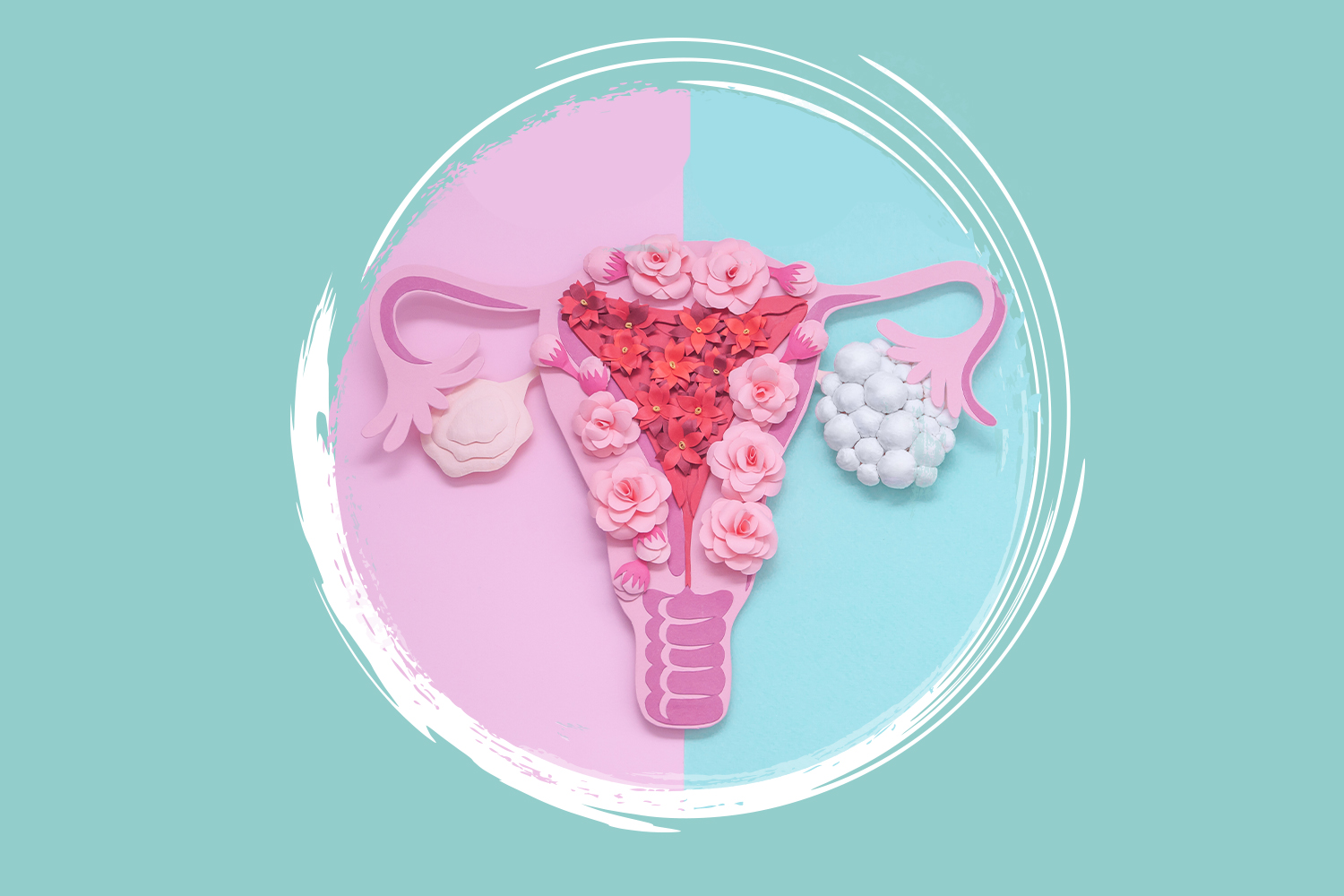
In a nutshell, PCOS is a genetic, hormonal, metabolic, and reproduction medical condition that affects 1 in 10 women of childbearing age globally. The condition affects a woman’s hormone level, whereby they produce male hormones called testosterone higher than normal.
As if that wasn’t concerning enough, these polycystic ovaries contain multiple harmless follicles. And sadly, these follicles are underdeveloped, and are unlikely to grow larger than 8mm in diameter. This leads to absence of periods as ovulation doesn’t occur.
Tapi apa yang buat penyakit ini sangat menyedihkan is the fact that roughly 50% of PCOS women fail to receive proper diagnosis.
So, What Causes PCOS?
Sadly, doctors pun tak sure apa punca PCOS. Tapi the general consensus is that due to the high level of male hormones, it makes it impossible for the ovaries to produce hormones, and make eggs normally. On top of that, it’s also the culprit behind acne, and hirsutism.
Other than that, it’s also suspected that some of the factors that contribute to PCOS are:
- Excess Insulin
- Insulin, a hormone that is produced in the pancreas, is crucial to the human body. Insulin is responsible for allowing cells to convert sugar into your body’s primary source of energy. That’s why when your body becomes resistant to insulin, your blood sugar can shoot up, and your body will end up producing excess insulin. OK, kenapa benda ni merisaukan? Sebab excess insulin increases androgen, which leads to difficulties in ovulation.
- Inflammation
- So, according to some research, women with PCOS have low-grade inflammation that encourages polycystic ovaries to produce androgens. This is dangerous because it can lead to both heart and blood vessel complications.
- Heredity
- Research also theorised that PCOS is a hereditary disease, with some genes potentially linked to PCOS.
After reading the causes, you must be wondering: ada ke complications that are associated with PCOS? Mesti lah ada…
Some of these complications actually include:
- Anxiety, Depression or Eating Disorders
- Abnormal Uterine Bleeding
- Endometrial Cancer
- Gestational Diabetes
- Infertility
- Metabolic Syndrome
- Miscarriage or premature birth
- Nonalcoholic steatohepatitis
- Sleep Apnea
- Type 2 Diabetes
Speaking of diabetes, most PCOS women are either obese, or overweight. And as such, they’re more at risk of developing diabetes, obstructive sleep apnea, or any other long-term health risks. That’s why women who suspect that they may have PCOS are encouraged to be screened for diabetes.
Walaupun doctors tak pasti apa punca PCOS sebenarnya, it’s not an excuse for women – especially those with a family history of PCOS – to be negligent of their health. So, ladies, pay attention, and listen!
Take Note Of These Signs And Symptoms
The first thing you should know is that tanda-tanda PCOS selalunya first developed around the time a girl has her first period. Tapi tak semestinya sebab PCOS can also be developed later in life due to substantial weight gain.
Be that as it may, the most common complaint that PCOS women experience is period irregularities that are largely due to anovulation, or hormonal imbalance. This upsetting symptom then leads to the ovaries failing to ovulate regularly, which results in fertility complications, or difficulties to conceive.
While the signs, and symptoms of PCOS vary, a woman typically undergoes a checkup for diagnosis once they’ve experienced at least two of the following signs:
- Irregular Periods
- OK, we know that a lot of women think irregular periods ni benda biasa je. Tapi sebenarnya tak! Irregular, infrequent, and even prolonged menstrual cycles are the most common signs of PCOS. Contohnya kalau you experience less than 9 periods annually, experience more than 35 days between period, and abnormally heavy periods, then you should see a gynecologist.
- Excess Androgen
- Because PCOS women have high levels of male hormones, it may result in physical changes such as excess facial, and body hair. But it should be noted that excessive body hair can be a result of genetics too. Beyond that, they may also experience severe acne, on top of male-pattern baldness.
- Polycystic Ovaries
- It might be impossible for your ovaries to function normally due to your ovaries being enlarged, or that it contains follicles that envelop the eggs.
Now that you’re aware of the signs, and symptoms…
How Do Doctors Diagnose PCOS?
Jangan terkejut, tapi buat masa sekarang a definitive test to diagnose PCOS doesn’t exist.
“So, macam mana doctors nak detect PCOS?”
Well, doctors will definitely start with discussing your medical history, which focuses on your weight changes, and paling penting, menstrual periods. Once that’s done, and dusted, doctors will proceed with a physical examination to check for signs of excess hair growth, ance, and insulin resistance.
Depending on their findings, doctors might then recommend or proceed with:
- Pelvic Exam
- The doctor will visually, and manually inspect your reproductive organs for growths, masses, or any other abnormalities.
- Blood Test
- The blood test is performed to analyse, and measure your hormone levels. You might also be required to do additional blood testing to measure glucose tolerance, fasting cholesterol, and triglyceride levels.
- Ultrasound
- An ultrasound is performed to zoom in on the appearance of your ovaries, as well as the thickness of your uterus lining.
But, it doesn’t end there. If you’re diagnosed with PCOS, doctors may call for additional tests to be conducted to identify, and foresee any complications. These tests can include, but not limited to:
- Periodic checks of blood pressure, cholesterol, glucose tolerance, and triglyceride levels.
- Screening for anxiety, and depression.
- Screening for obstructive sleep apnea.
You Have PCOS: What’s Next?
As we’ve mentioned earlier, there is no cure for PCOS. Tapi jangan putus asa sebab there are treatments that focus on managing your symptoms through medication, lifestyle changes, or surgery.
But what typically happens is that you, and your doctor will discuss your condition, your goals, and from there, they will formulate a treatment plan that helps you to manage your symptoms effectively, and improve your quality of life.
So, let’s start with lifestyle changes.
Due to the fact that obesity is a major concern for PCOS women, doctors may recommend weight loss through a combination of low-calorie diet, and moderate exercise activities. The weight loss doesn’t have to be drastic, because even losing 5% of your body weight can improve your condition tremendously! But the best part of all, losing weight can definitely improve the effectiveness of the medications that your doctors prescribed you.
Other than that, PCOS women are also encouraged to maintain a healthy weight, limit their carbohydrate consumption, and to stay active, and fit.
Moving on to medication.
Depending on the severity of your symptoms, your doctor will recommend medications that help you manage your symptoms better. So, for example:
- To regulate your menstrual cycle, your doctors might prescribe you with a combination of birth control pills, or undergo progestin therapy.
- To help you ovulate, your doctors might prescribe you with clomiphene, letrozole (femara), metformin, or gonadotropins.
- To reduce excessive hair growth, your doctors might prescribe you with birth control pills, spironolactone (aldactone), eflornithine (vaniqa), or undergo electrolysis.
Ladies, we’d like to assure you that even though the reality of being diagnosed with PCOS is daunting, it doesn’t stop you from living your best life! As we always say, early prevention is the key.
Paying A Visit To The Doctors
To determine if you’ve PCOS, your general practitioner will need to refer you to either a gynecologist, or an endocrinologist, or a reproductive endocrinologist.
But before you schedule an appointment, it’s useful for you to:
- List the symptoms you’ve been experiencing, and if possible, the duration too.
- List the supplements, vitamins, and medications that you take including the dosage, and frequency.
- A brief summary of your medical history, such as illnesses, diseases, including your family’s medical history.
- Keep a record of your menstrual cycle – nasib baik lah kita semua pakai smart phone kan!
Another tip that we believe would benefit you is to prepare some questions to ask your doctors, so that you’ll understand the condition better. Some of the questions that you can are:
- How severe are my symptoms?
- How does this disorder affect my changes of conceiving?
- What are my long-term health implications?
- What changes should I make to improve my quality of life?
And finally, be prepared to answer questions from your doctors; from something simple as when each symptom first occurs, to something as intimate as if any other ladies in your family is diagnosed with PCOS?
You’re nervous – that’s warranted. But remember that your doctors are here to help you, and that there is a community of PCOS women to offer you support, and help should you need it.
And jangan lupa! Having PCOS doesn’t make you any less of a woman. We at Healthlah celebrate you, and stand with you.
Seronok baca? Jom get instant alerts on how you can take charge of your health by subscribing to our newsletter. All the T’s (topics, trends, tips and tricks, and tidbits) conveniently in your inbox!
Disclaimer: Our content is strictly for educational and informational purposes only. Healthlah.com does not provide medical advice, diagnosis or treatment.


