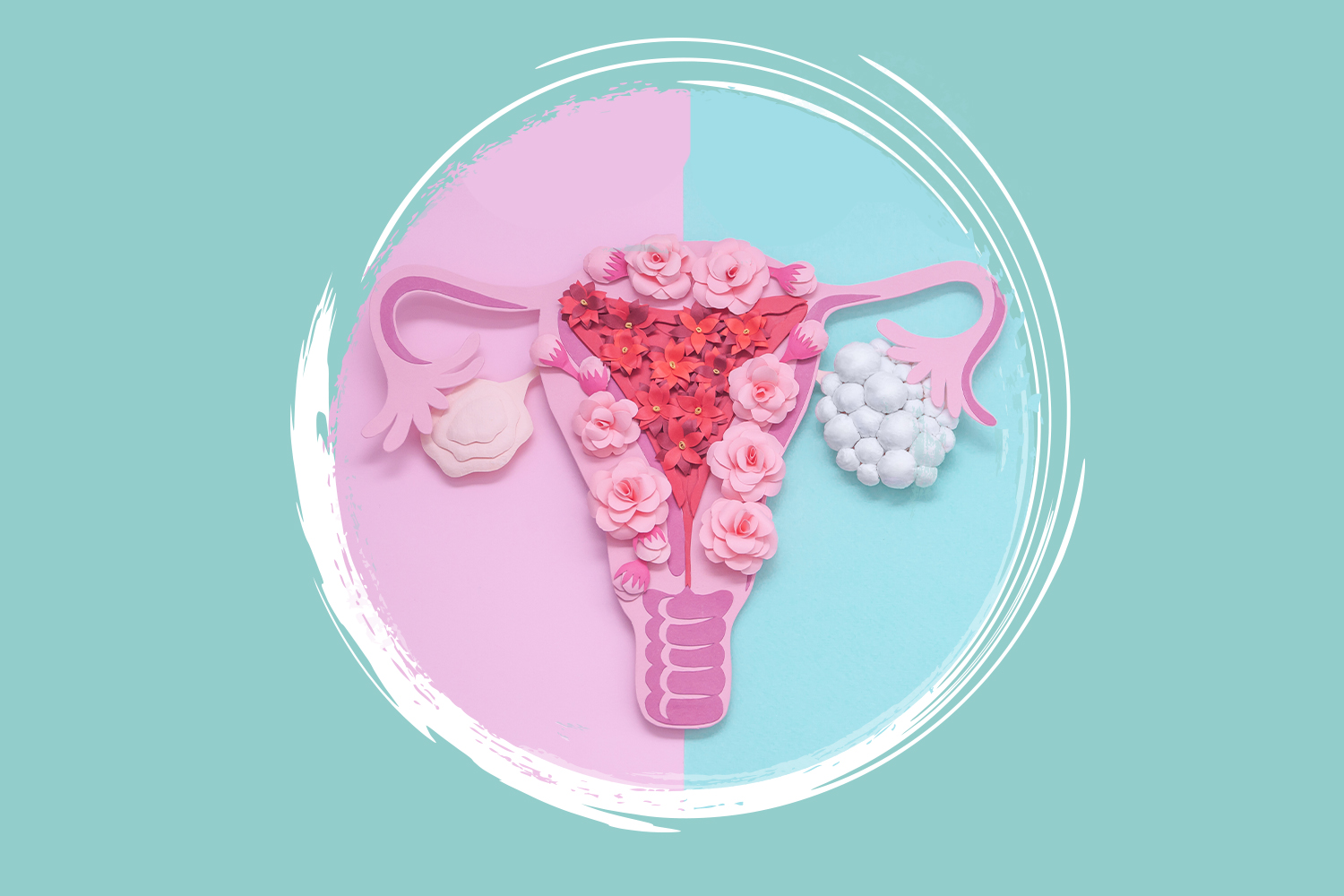
Did you know that Malaysia experienced its lowest fertility rate in four decades? Betul, tak tipu.
Chief statistician Datuk Seri Dr Mohd Uzir Mahidin shared that Malaysia’s total fertility rate (TFR) amongst women of reproductive age dropped to 1.7 babies in 2020, compared to 1.8 babies in 2019. Just to give you an idea that it’s been steadily declining: the chief statistician mentioned that dulu in 1970, the rate was 4.9 children per woman. Haa lepastu, Malaysia’s fertility rate has been below the United Nations Statistics Division’s replacement level of 2.1 babies since 2013.
And FYI, the replacement level indicates the fertility rate that is required to keep the country’s population stable for generations to come.
The declining fertility rate is reflected in the number of live births that were recorded in 2020, which was 470,195. Now, mungkin you rasa the numbers are high. Tapi sebenarnya, that is the lowest live births that the country saw over a decade. In fact, the decrease stood at 3.6% compared to in 2019, which recorded 487,957 live births.
All Three Major Ethnic Groups Saw A Decline In TFR In 2020
Masalah fertility is not unique to a specific ethnic group. In fact, the TFR for…
- Malays declined from 2.6 babies to 2.2 babies
- Chinese declined from 1.5 babies to 1.0 babies
- Indians declined from 1.7 babies to 1.2 babies
And in terms of demographics, the top three most fertile states, and territories in 2020 were:
- Terengganu with 2.9 babies
- Putrajaya with 2.8 babies
- Kelantan with 2.7 babies
To top it all off, Dr Mohd Uzir shared that the declining fertility rate in Malaysia mirrors in other developed countries like Indonesia (2.3 babies), United Kingdom (1.7 babies), United States (1.7 babies), Japan (1.4 babies), and Singapore (1.1 babies).
According to Dr Mohd Uzir, the increase in women’s level of education, and inclination to work, coupled with increase in average age of marriage, urbanisation, lifestyle changes, economic status, and emphasis on family planning are some of the factors that contribute to the decline.
Now, those factors are valid…
But There Is Another Factor That Is Often Overlooked
Or not talked about: Infertility.
According to the World Health Organization, the infertility rate in Malaysia is approximately between 10%, and 15%. So, yes – it does have a hand in Malaysia’s declining TFR. In fact, the WHO has stressed that infertility is a condition that needs immediate, and earlier attention due to the fact that it does have an effect on a country’s replacement rate.
Walaupun the department of statistics tak ada data on the infertility rate in Malaysia, it has been previously highlighted that infertility cases are on the rise, especially amongst men. It seems that the fertility level among men below 30 years of age dropped by 15%, and between 2010, and 2019, 60% of sperm analysis tests were reported as abnormal. But apa yang lagi terkejut is, 95% of men aren’t even aware that they might have infertility problems.
Meanwhile, the Malaysian Population and Family Survey found that infertility amongst married couples have increased from 6.9% in 2004, to 8.6% in 2014. Unfortunately, the rate is only expected to rise between 10%, and 12%, which is just shy of the global rate of 10% to 15%.
But Why Is This A Major Concern?
Well, other than the fact that it contributes to the shrinking generation in future, it’s a global health problem. Infertility buka je ada kesan pada reproductive health kita, tapi dia also impacts our mental health.
Picture this: imagine that you’ve been trying to start a family for years. After years of failed attempts, you learn that you’re facing fertility problems. Mestilah the emotional, and mental impact it has on individuals or couples who are diagnosed with infertility is devastating.
And because infertility is a topic that isn’t often talked about due to the stigma surrounding the condition, individuals or couples who exhibit signs, and symptoms of infertility aren’t aware that they face fertility problems. Dari situ lagilah orang tak ada perasaan untuk seek medical advice, or treatment.
So, What Causes Infertility?
While the causes for infertility vary, it’s suspected that 1 in 3 infertile women, and 1 in 3 male experience issues with their reproductive organs. Meanwhile, 1 in 3 couples experience issues that affect both of them, or suffering from undetermined health concerns.
Nevertheless, doctors, and health professionals have theorised that some causes that contribute to infertility are:
For Male Infertility
- Abnormal sperm function or production that is the result of undescended testicles, genetic defects, health problems (like diabetes) or infections (like mumps or HIV). Additionally, enlarged veins in the testes can also affect the quality of sperm.
- Problems with sperm delivery that is often the result of sexual problems. Some of these problems include premature ejaculation, genetic diseases (like cystic fibrosis), structural problems (testicle blockage), or injury to the reproductive organs.
- Overexposure to certain environmental factors like pesticides, harmful chemicals, and radiation. Men, take note: cigarette smoking, alcohol, marijuana, anabolic steroids, and certain medications can also have an impact on your fertility level. The same can be said for frequent heat exposure such as hot tubs or saunas because it raises your body temperature, and affects your sperm production.
- Cancer-related damages, due to radiation or chemotherapy.
- Ovulation disorders that affect the release of eggs from the ovaries, and it includes hormonal disorders such as Polycystic Ovary Syndrome (PCOS). Hyperprolactinemia, which is a condition where the women produce too much prolactin, is also a disorder that also impacts the ovulation cycle. Other than that, hyperthyroidism or hypothyroidism has been linked to have an affect on the menstrual cycle, or cause infertility.
- Uterine or Cervical abnormalities, which includes polyps in the uterus or the shape of the uterus. Additionally, non-cancerous tumours in the uterine wall can also cause fallopian tube blockage, or prevent fertilized egg from implanting in the uterus.
- Fallopian tube blockage or damage is often caused by inflammation known as salpingitis. This is resulted from pelvic inflammatory diseases such as sexually transmitted diseases (STDs), endometriosis or even adhesions.
- Endometriosis, which is a condition when endometrial tissue grows out the uterus. This will affect the functionality of the ovaries, uterus, and fallopian tubes.
- Early menopause or Primary ovarian insufficiency. This refers to when the woman’s ovaries stop functioning, and menstruation ends before 40 years old. While the cause is unknown, there are some factors that are linked with the disorder, such as immune system diseases, genetic conditions like Turner syndrome, and radiation or chemotherapy treatment.
- Pelvic adhesions is when bands of scar tissues that bind organs, can form after pelvic infection, endometriosis, appendicitis, or abdominal or pelvic surgery.
- Cancer and its treatments. Reproductive cancers often do impair female fertility, just as both radiation, and chemotherapy may have an impact on fertility too.
OK, Bila Kena Jumpa Doctor And What About Treatment?
The first tell-tale sign that should raise alarms, and promptly see a healthcare expert, is inability to conceive following years of trying. Nevertheless, women are highly encouraged to speak with their healthcare provider, if they:
- Are aged 35 years old or older, and have been trying to conceive for 6 months or longer
- Experienced irregular or absent periods
- Experienced excruciating periods
- Have previously been diagnosed with fertility problems, or endometriosis, or pelvic inflammatory disease
- Experienced multiple miscarriages
- Undergone cancer treatment
Meanwhile, for the men, do seek out your healthcare provider if you:
- Have a low sperm count, or experience any other problems with your sperm
- Have a history of testicular, prostate or sexual problems
- Have small testicles or swelling in the scrotum
- Undergone cancer treatment
- Have a family history of fertility issues
Once the doctor has a comprehensive view, and understanding of your condition, the doctor will propose several infertility treatments that can help improve your condition or manage your symptoms. We’d like to stress that no two infertility treatments are the same, as the treatment depends heavily on your condition, and underlying issues.
Tapi 3 treatments yang patients selalu go for are:
- Medicine, such as
- Clomifene or Tamoxifen for ovulation concerns
- Metformin for PCOS
- Gonadotrophins to encourage ovulation and improve fertility among men
- Surgical Procedure, such as
- Fallopian tube surgery
- Laparoscopic surgery
- Laparoscopic ovarian drilling
- Surgery to retrieve sperms
- Assisted Conception
- Intrauterine insemination (IUI)
- In vitro fertilisation (IVF)
- Egg and sperm donation
Hope Is Not Lost
Infertility is a very sensitive topic, as it is a daunting reality. And if you suspect that you (or your partner) are experiencing any fertility issues, then we encourage you to speak with a licensed healthcare professional secepat mungkin.
But chop! Don’t go to just any Tom, Dick or Harry. Do your due diligence when choosing a fertility expert or clinic to go to, like:
- Their reputation and credentials
- Their success rate
- Their reviews
- And many more…
So, if you’re planning to see a doctor anytime in the future, we’d like to wish you the best of luck! And if you’d like a little boost of motivation, here are some success stories that you should read:
- Infertility Success Story: Our Personal Journey to Parenthood
- A Success Story: Pregnant After Unexplained Infertility
- Fertility Is a Journey, and After Two and a Half Years, Here’s Mine
- 9 Getting Pregnant Stories to Read If You’re Having Trouble Conceiving
Seronok baca? Jom get instant alerts on how you can take charge of your health by subscribing to our newsletter. All the T’s (topics, trends, tips and tricks, and tidbits) conveniently in your inbox!
Disclaimer: Our content is strictly for educational and informational purposes only. Healthlah.com does not provide medical advice, diagnosis or treatment.